

Whisky, like every industry I know, has no shortage of what I refer to as “weather reporters”.
Their reports run more or less like this: Exports are down, costs are up, drinkers are cautious, premiumisation has lost its shine, tariffs are making some markets harder, and younger consumers are drinking differently, drinking less, or refusing to inherit old habits.
Then come the common comfort words assuring us that whisky sales are cyclical. We’ve been here before, they say. It will come back, they argue.
Most of that is true, and some of it certainly is. Lumped together as a diagnosis, though, it’s a dangerous place to stop thinking. And it feels commercially lazy.
For sure, cycles can reward patience, but structural shifts can (and will) punish it. Often, the hard part is knowing which one you are sitting in, especially when the industry hands you a verbal comfort blanket the moment you ask.
Sure, whisky has survived war, tax, fashion, prohibition, recession, and some packaging only the late 1980s could explain, so the urge to lean on endurance is understandable. But let’s not let these notions of endurance become an excuse.
Edinburgh neat
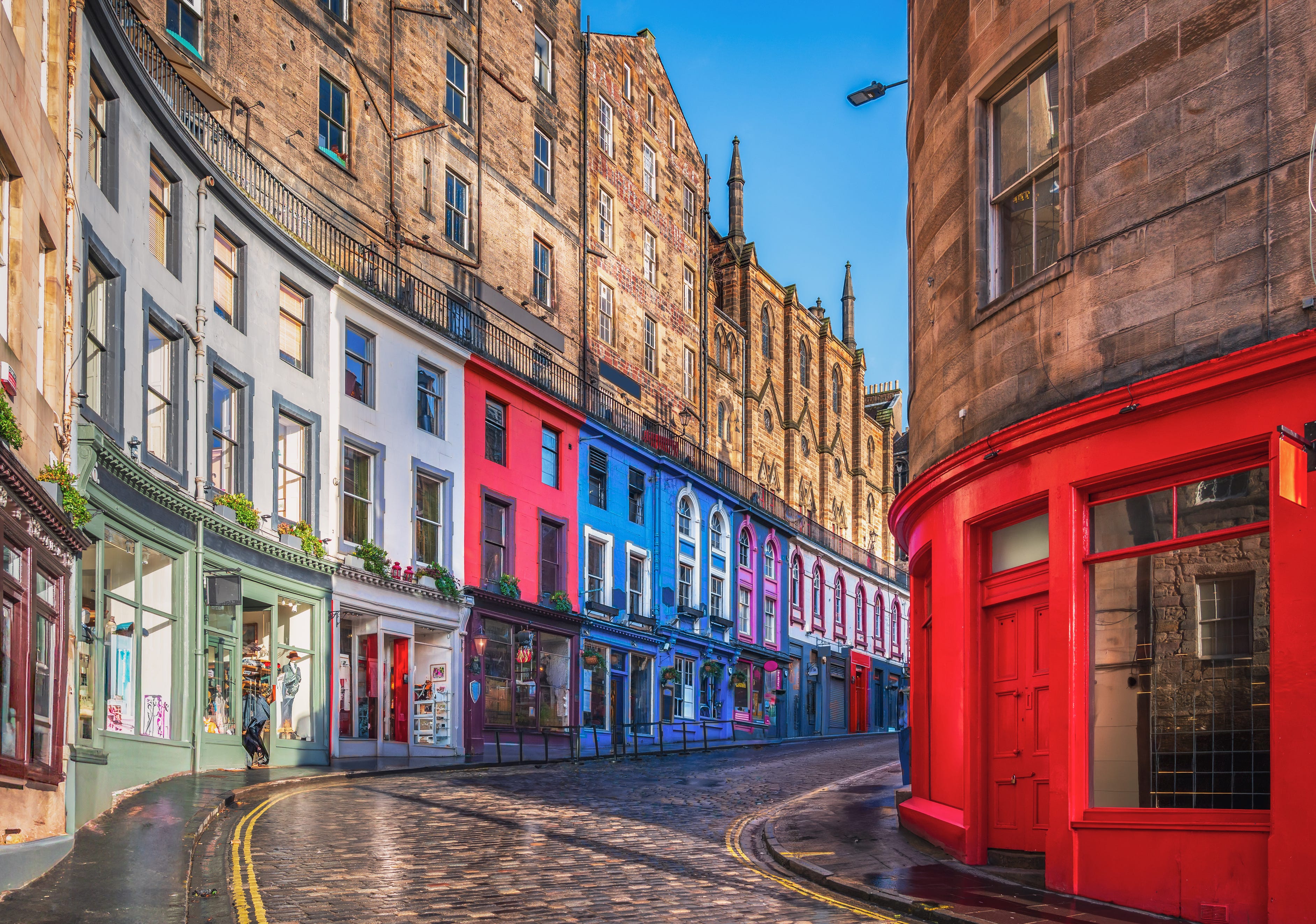
Let’s look at where whisky can win. One place is Edinburgh (other Scottish cities are available!)
Visitors land there, eat there, drink there, buy there, take their photographs there, and often leave Scotland without going near Speyside, Islay, Campbeltown, or anywhere else with a working still in it. They still care about whisky, and they’re neither accidental nor casual. Think of them as the audience the industry misplaced.
We see them everywhere. It’s someone who spends three days in Edinburgh and loves every minute. They pay for a proper tasting, ask good questions, buy a bottle, post the moment to their followers, and by Monday morning they’re back in New York, or Paris, or Berlin, or Sydney, or Singapore, with the receipt still in their wallet. they’re mobile, affluent, curious, and trackable, and worth more than the industry tends to assume.
And then they’re gone.
That looks like a solution dressed up as a problem. Scotland creates interest in whisky better than almost anywhere on earth, but it struggles to bottle what happens next.
One of whisky’s problems, then, if you’ll pardon the marketing jargon, is a conversion problem.
Let’s break it down.
The industry treats distilleries as the centre of whisky tourism, which makes a certain sense, because they’re the places of origin and the copper, the cask, the smoke, and the story all sit there. For those who make the journey out, a distillery visit can deepen affection.
But most visitors will never make that journey, because they lack the time, the transport, the plan, or the existing devotion. What they have instead is a few days, a hotel in the capital, a dinner booking at one of the brilliant restaurants in town, a spare afternoon, a shop window, a bar recommendation, and a tasting booked because someone told them it was very Scottish.
But are we fishing where the fish are?
For a lot of international visitors, Edinburgh is where Scotch whisky first becomes legible, the beautiful moment when the category stops being a wall of labels and becomes a set of choices. Peat, sherry, age, region, independent bottler, blended malt. The language can open the door, or it can make people feel they’ve arrived too late to understand the rules.
Pour, then ignore

Other industries learned this lesson the hard way, and started to win only when they stopped waiting for the old buyer to return and got busy recruiting new ones.
Music did it when albums stopped being the centre of the business. Luxury fashion did it when stores became media. Coffee did it when the café became the brand’s front door. Sport did it when matchday became a content and membership engine.
Whisky has its own version of that move sitting in plain sight, in the shape of the visitor who discovers the category in Edinburgh and then flies home.
The industry has the pieces already, between the tastings, shops, bars, experts, stories, festivals, hospitality, and a global appetite for anything Scottish. It has visitors who arrive with curiosity and leave with memory, and a city that can concentrate attention at scale.
What it lacks is continuity. A tasting ends, a bottle is bought, a receipt is printed, a photograph is posted to the socials, and the visitor leaves. Right at the point of greatest passion, the relationship fades into the airport queue. Please tell me that’s a very fixable failure.
A modern whisky recruitment model would treat Edinburgh as the beginning of a longer journey. The story could look like this: A visitor tastes four drams, and their preferences are captured with marketing consent. They learn that they like coastal smoke, or soft sherry casks, or waxy textures…you get the idea. Then, once they get home, they receive something genuinely useful: where to buy, what to try next, which distilleries match their taste, which bars in their city pour the “right” bottles, which events are coming, and what to read before they spend £80 badly.
That, in the end, is the difference between an experience and a relationship.
It also changes the economics. A distillery visitor is already motivated enough to travel, while an Edinburgh visitor may be earlier in the journey, and earlier can be commercially interesting. They haven’t yet chosen a tribe, and they may be open to small producers, overlooked regions, independent bottlers, modern blends, new serves, and routes into the category that don’t require them to pretend they were born knowing the difference between a refill bourbon cask and a first-fill oloroso.
I guess what I’m saying is that the next generation of Scotch whisky drinkers may not arrive through the old front door. They may arrive through a cocktail in a hotel bar, a guided tasting in a pub off the Royal Mile, a conversation with a retailer, a dinner pairing, a festival event, a video they watch later, or a bottle they bought because it reminded them of a weekend when Edinburgh looked especially good in the rain.
The point is not to turn every visitor into a collector, which would be foolish. The point is to stop wasting moments of live attention.
Last call
Industries under pressure often discover the old customer journey was never as fixed as it looked, and that it was simply the journey they had grown used to measuring. Whisky has measured its production beautifully, measured its exports obsessively, and measured age, cask, price, allocation, and awards in painstaking detail. It has been less good at measuring the fragile moment when curiosity actually forms.
That is where Edinburgh should play a larger role. Call it Scotland’s whisky conversion layer, if you can stomach the phrase.
The wording is clinical for a category so fond of mist and memory, but the commercial point is plain: Edinburgh is where vast numbers of potential drinkers can be reached before brand loyalty hardens, before category intimidation sets in, and before the visitor returns home to a market where whisky becomes just another expensive shelf among many.
A serious response would connect tourism, retail, hospitality, data, and follow-up. It would give visitors a way to continue the journey in their own country, help producers learn which stories and styles recruit best, and help smaller distilleries reach people who may never board a ferry or hire a car. Most of all, it would help the industry stop treating the tasting glass as the end of the funnel.
Of course, through all of this, I’m generalising a little, though not as much as you might think. There are pockets of marketing magic, but nothing that comes close to what is possible.
The negative cycle may turn, as it has before, but (yes, there’s nearly always a ‘but’) industries that wait for the turn usually find the customer has moved on by the time it arrives. Whisky doesn’t lack heritage, craft, or romance, and it ladles all three on with a heavy hand most days. It lacks a modern recruitment machine.
The next lifelong whisky drinker may already be in Scotland, sitting in an Edinburgh bar tonight, holding a glass and asking why one whisky smells like a bonfire and another like Christmas cake.
Tomorrow they fly home. The question is whether anyone in the industry knows who they are by then.
(This article also appeared on LinkedIn.)
#whisky #scotch #scotland
Such good points to expand the “fragile moment “ before the bond breaks