

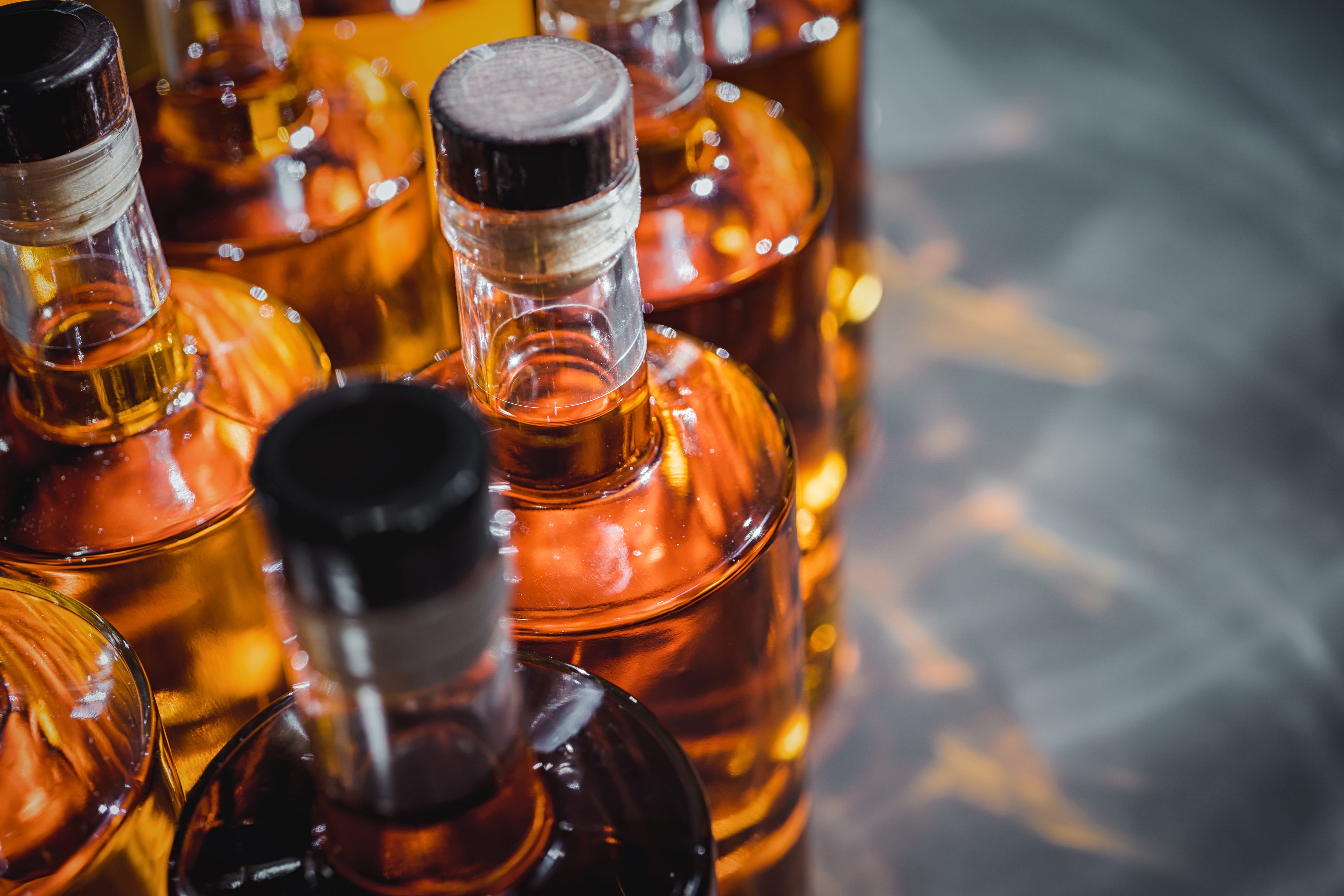
The number on a whisky bottle is more a symbol than a scorecard. It doesn’t tell you whether a whisky is good. It tells you that someone, somewhere, was willing to wait.
In The Scotch Whisky Report 2025, Kristiane Westray notes “a marked increase not just in the loftier age statements…but eight, 10 and 15-year-old whiskies too.” She’s right: the numbers are returning in the inevitable cycle of what should appear on labels. After years of “no age statement” releases — when flavour was king and the clock felt optional — distilleries are once again naming their years. To be fair, many never stopped, but others have added to the chorus. But perhaps the more interesting story isn’t in the warehouse; it’s in what those numbers mean to us.
Because we know they don’t guarantee quality. We’ve all tasted tired 25s and brilliant 10s. What the number really signals is intent — patience, restraint, a respect for time that feels increasingly rare.
Younger drinkers might not look for it. They’ve grown up in a world where waiting is a flaw in the system. But whisky has always asked for time: to age, to open, to understand. Maybe that’s why the number still matters. It gives form to something intangible; a quiet promise that care still counts.
The reassurance of patience
We’ve, perhaps, learned to be sceptical of numbers. Prices shift, polls mislead, metrics inflate. Yet an age statement still lands with a strange sort of honesty. It’s not a claim; it’s a confession of time. Twelve years. Fifteen. Twenty-one. Measured in seasons, not hype.
That small truth — that someone filled a cask and waited — cuts through the noise. It’s the faith it represents, not the number in isolation. Waiting, after all, could be the most human form of trust.
The context of numbers
We know not all numbers are created equal. Age statements, like all metrics, carry baggage. They’ve trained people to assume that older costs more — and therefore must be better. Sometimes that’s true; time does cost money. Slower maturation ties up capital, warehouse space, and patience. But how slow do you really want to go?
In most of life, speed is the premium. Faster delivery, faster data, faster growth. For younger generations, time isn’t a luxury; it’s a constraint. So when whisky asks them to slow down — and then charges them for the privilege — that’s a marketing problem as much as a pricing one.
Making age easy
The language of age could do with a rethink. It’s central to whisky’s identity, but it’s still hard to grasp. Formula 1 faced a similar challenge. For years, Formula 1 made tyre choice a puzzle. Each weekend, Pirelli brought three compounds from a range labelled C1 to C5. They were then renamed Hard, Medium, and Soft — but those names meant different things at different tracks. A “Soft” in Monaco might be far harder than a “Soft” in Silverstone. Fans needed a chart to keep up.

In 2019, Pirelli simplified everything. They kept the underlying compounds but standardised the colours: white for Hard, yellow for Medium, red for Soft. Now, anyone watching could instantly see who was chasing speed and who was playing the long game. Formula 1 stopped asking its audience to understand tyre chemistry and started showing them racing logic.
Whisky could take a cue from that. If age is to stay central to how we talk about quality, flavour, or value, we need to make it easier to interpret — not as a status code, but as a story of time and taste.
Proof of patience
A whisky with an age statement doesn’t promise perfection. It promises effort. It asks for understanding — that slowing time down comes at a cost, but also a benefit.
And in a world that rewards speed over substance, that feels quietly radical.
Note: this article was also published on LinkedIn